

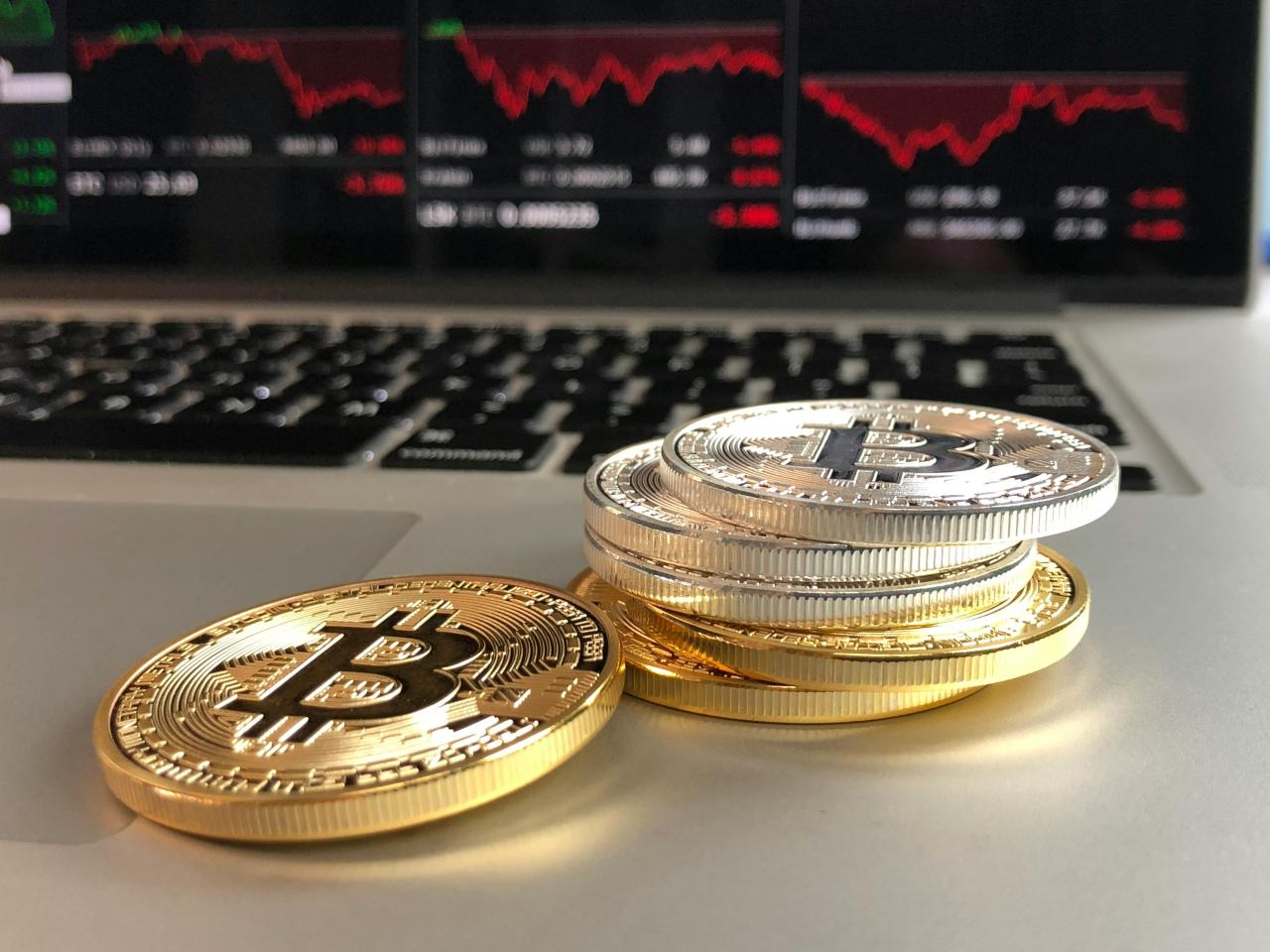
Navigating the Frontier of Decentralized Finance
The emergence of cryptocurrency, spearheaded by Bitcoin, represents one of the most profound and polarizing financial innovations of the last century, evolving rapidly from an obscure digital curiosity into a trillion-dollar asset class that commands global attention and fundamentally challenges established monetary systems. For the modern investor, the sheer velocity and volatility of this asset class—where daily swings of $10\%$ or $20\%$ are routine—make it both a source of immense potential profit and a severe threat to unprepared capital, necessitating a disciplined, analytical approach rather than a speculative, gambling one.
Understanding cryptocurrency requires moving past the price fluctuations to grasp the underlying Blockchain Technology and the concept of Decentralized Finance (DeFi) that fuels its existence, which represents a structural shift away from centralized banks and intermediaries. Before committing any capital, the investor must rigorously dissect the essential risks—regulatory uncertainty, technological failure, and extreme volatility—against the generational opportunities of high asymmetric returns, global accessibility, and the potential to hedge against national economic mismanagement. This deep understanding is the only way to integrate crypto responsibly into a diversified, long-term portfolio.
Phase One: The Fundamentals of Cryptocurrency and Blockchain
Cryptocurrency is merely the visible, transactional layer built upon the foundational, immutable ledger technology known as the blockchain. Understanding the technology is paramount to understanding the asset’s potential.
Decentralization and cryptography are the core innovations. They provide trust and transparency without the need for a central authority.
A. The Blockchain as an Immutable Ledger
The Blockchain is a distributed, digital public ledger that records all transactions across many computers (nodes) in such a way that the recorded blocks cannot be altered retroactively without the alteration of all subsequent blocks.
- Decentralization: No single entity, bank, or government controls the network. This distributed control is what makes the ledger resistant to censorship, fraud, and single points of failure.
- Immutability: Once a transaction is validated and added to the chain, it is essentially permanent. This permanence creates a high degree of trust in the recorded data, a feature lacking in traditional digital record-keeping.
- Cryptography: Transactions are secured using complex cryptographic techniques. This ensures the integrity of the data and verifies the ownership of the digital assets without revealing personal identities.
B. Bitcoin and the Store of Value Proposition
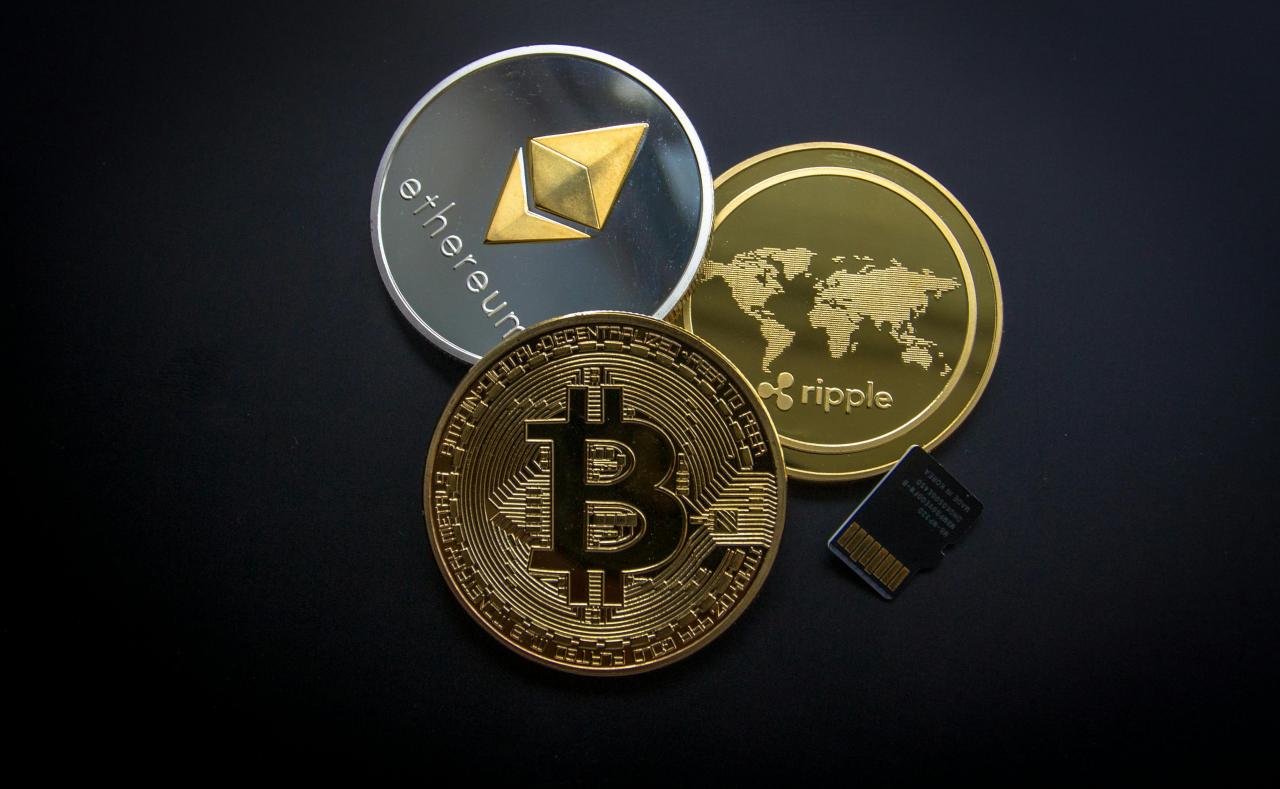
Bitcoin (BTC), the original cryptocurrency, is predominantly viewed by serious investors not as a transactional currency but as a digital, deflationary Store of Value or “digital gold.”
- Limited Supply: Bitcoin’s supply is strictly capped at $21$ million coins, making it a truly scarce, deflationary asset, unlike fiat currencies, which can be printed endlessly.
- Monetary Policy: Its creation (mining) and supply schedule are governed by pre-set, open-source code, eliminating the risk of arbitrary policy changes by a central bank.
- Its primary investment thesis is that it will continue to capture the market value of traditional safe-haven assets (like gold) as the world digitizes and global trust in paper currency diminishes.
C. Ethereum and Smart Contracts
Ethereum (ETH), the second-largest cryptocurrency, introduced the concept of Smart Contracts and is the primary platform that powers the wider ecosystem of Decentralized Finance (DeFi).
- Smart Contracts: These are self-executing contracts with the terms of the agreement directly written into code. They automatically execute actions when specific conditions are met, eliminating the need for lawyers or intermediaries.
- The Internet of Finance: Ethereum acts as the foundational layer upon which thousands of decentralized applications (dApps) are built, ranging from decentralized lending and borrowing platforms to digital art marketplaces (NFTs).
- Investing in Ethereum is a bet on the growth and adoption of decentralized applications and the entire DeFi ecosystem, often viewed as the “digital oil” that powers the network.
Phase Two: The Essential Risks of Cryptocurrency Investment
The potential for high returns is inseparable from the high risks inherent to this new and rapidly evolving asset class. These risks are fundamentally different from those found in traditional markets.
Failure to understand these specific risks can lead to catastrophic capital loss. The digital nature of the asset introduces novel security and regulatory challenges.
A. Extreme Market Volatility
Volatility is the most immediate and visible risk. Cryptocurrency prices fluctuate wildly, driven by speculative enthusiasm, regulatory news, and shifts in public sentiment.
- Drawdowns: Investors must be emotionally prepared for $50\%$ to $80\%$ price drops (drawdowns) from peak to trough, which can occur in a matter of months or even weeks.
- This level of volatility requires a high psychological risk tolerance and the financial capacity to never sell during these panic phases, as recoveries are often equally rapid and unpredictable.
- Due to this volatility, only a small, non-essential portion of the portfolio should ever be allocated to this asset class.
B. Regulatory and Legislative Uncertainty
The regulatory landscape for cryptocurrency is highly fractured and uncertain globally. This Regulatory Risk is perhaps the largest systemic threat to the ecosystem.
- Governments are actively debating how to classify and regulate cryptocurrencies (as securities, commodities, or currencies). Adverse rulings or outright bans in major economies could severely depress prices.
- New tax laws are constantly emerging regarding how mining, staking income, and capital gains are treated. Uncertainty complicates tax compliance and financial planning.
- Investors must monitor global legislative developments closely, as a single government decision can trigger a major market shift.
C. Custody and Security Risks
Unlike stocks held by a brokerage firm, the investor in cryptocurrency is directly responsible for the Custody and Security of their assets, introducing significant personal risk.
- Key Management: Cryptocurrencies are accessed using a unique private key. Loss of this key means the funds are permanently and irrevocably inaccessible (a common failure point).
- Exchange/Platform Risk: Storing assets on a centralized exchange (like Coinbase or Binance) introduces counterparty risk. If the exchange is hacked or goes bankrupt, the investor could lose everything.
- The best practice involves moving significant holdings off exchanges into a private Hardware Wallet (cold storage) to maximize security, which requires technical proficiency.
Phase Three: Responsible Allocation and Opportunity
Despite the risks, the high asymmetric return potential and non-correlation benefits mean that a small, strategic allocation to cryptocurrency can enhance a well-diversified portfolio.
The opportunity lies in the long-term structural changes the technology promises. Investors are betting on the network effect and continued adoption.
A. Strategic Portfolio Allocation
Due to the extreme volatility, cryptocurrency should only form a small, high-risk allocation within the investor’s total portfolio.
- A sensible, disciplined allocation for a highly aggressive investor is typically capped between $1\%$ and $5\%$ of the total portfolio value. This is the amount the investor must be willing to lose entirely.
- This small allocation is sufficient to capture the high asymmetric upside if the asset class performs exceptionally well, while remaining small enough that a total crash will not destroy the investor’s core retirement plan.
- Investment should be executed via Dollar-Cost Averaging (DCA), investing small, fixed amounts over time, completely avoiding attempts to time the notoriously volatile market peaks and troughs.
B. The Global Accessibility Opportunity
Cryptocurrency provides unprecedented Global Accessibility and inclusion for individuals in regions suffering from high inflation, capital controls, or unstable banking systems.
- It offers citizens in high-inflation countries (like Turkey or Argentina) a non-debasable store of value that cannot be seized or frozen by the local government.
- It enables fast, low-cost international remittances and cross-border payments, bypassing the high fees and slow speeds of traditional banking systems.
- This global utility expands the total addressable market far beyond traditional Western investors, providing immense, future demand growth.
C. The DeFi and Utility Potential
The long-term opportunity extends beyond Bitcoin’s store-of-value proposition to the vast potential of the Decentralized Finance (DeFi) ecosystem built primarily on Ethereum.
- Decentralized Lending and Borrowing: DeFi allows users to lend out their crypto assets to earn high interest rates or borrow money without the need for a bank or collateral verification.
- Tokenization of Real Assets: The tokenization of real-world assets (like real estate or private equity) could unlock massive liquidity and accessibility for currently illiquid assets.
- Investors are betting that DeFi will eventually streamline and replace many functions currently dominated by traditional, inefficient financial intermediaries.
Final Thoughts on Crypto Investing
Cryptocurrency is a high-risk, high-reward frontier that demands intellectual discipline and emotional resilience.
The fundamental value lies in its decentralized, transparent, and immutable blockchain technology, not the price chatter.
A responsible approach mandates a small, non-essential portfolio allocation, ideally capped below $5\%$ of your total assets.
Embrace Dollar-Cost Averaging and be prepared for massive, multi-year drawdowns; volatility is the price of entry.
Security is paramount; understand how to safely manage your private keys and utilize cold storage wallets.
The long-term opportunity is the potential for global financial inclusion and the growth of the DeFi ecosystem.
Do not allow fear of missing out (FOMO) to drive your investment decisions; stick strictly to your small, disciplined allocation.
Cryptocurrency is digital insurance against central bank mismanagement and a bet on a decentralized future.
Approach it with skepticism and diligence, understanding the risks are as generational as the rewards.
This is a structural shift, not a passing trend, and it deserves a cautious, permanent allocation in an aggressive portfolio.
The high-risk nature makes it unsuitable for short-term financial goals or retirement funds.
Invest only what you are emotionally and financially prepared to lose entirely.